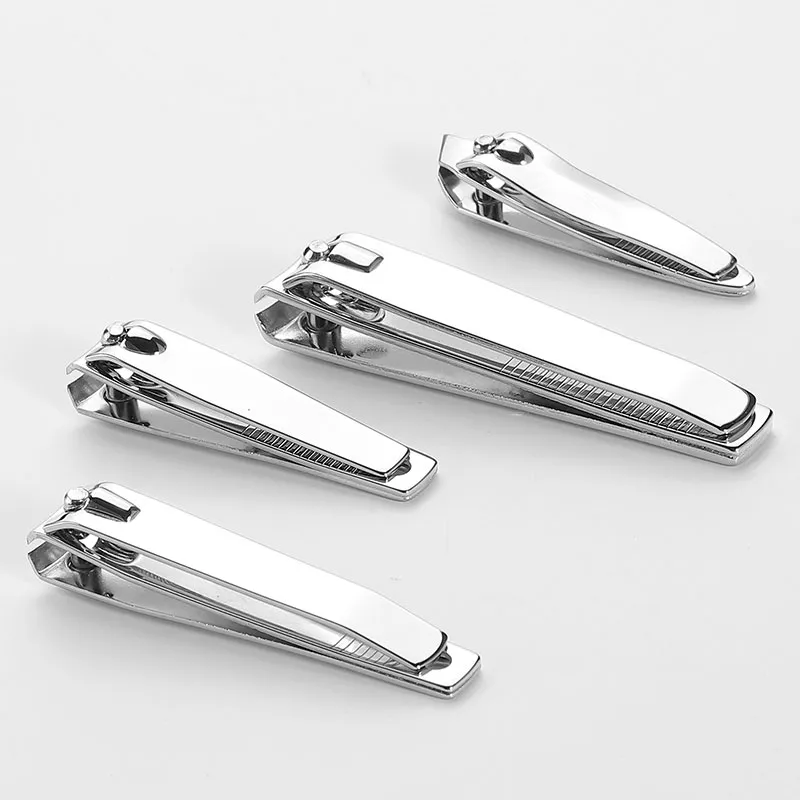
Nail clippers are so commonplace today that most of us hardly spare a thought for how this simple tool entered our daily grooming routine. Yet the story of nail clippers stretches back thousands of years, touching ancient civilizations, evolving through inventions, patents, and manufacturing breakthroughs, and eventually becoming an indispensable personal care item found in nearly every household around the world.
In this article, we’ll explore the history of nail clippers, how their designs changed over centuries, the technological breakthrough that shaped the modern nail clipper, and the diverse clipper styles used today. Whether you’re a curious reader, a grooming product enthusiast, or someone in the personal care industry, this deep dive will illuminate the evolution of one of the world’s most frequently used tools.
Early Nail Grooming: Before Nail Clippers
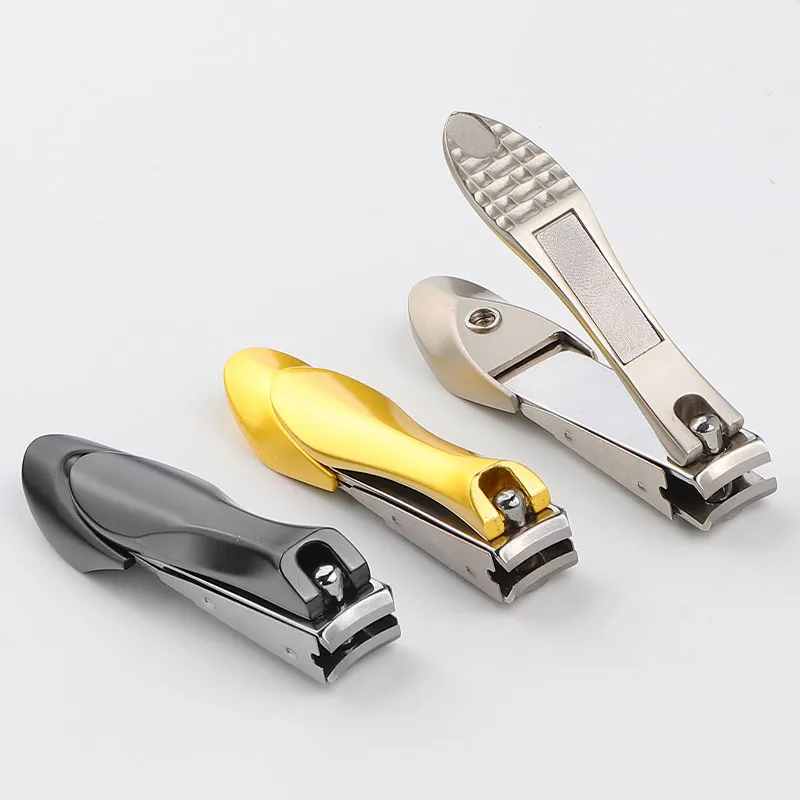
Long before nail clippers existed, humans still cared about grooming. Historical texts suggest that even in ancient times, people trimmed and maintained their nails as part of personal hygiene.
References to nail trimming date as far back as the 8th century BC, when the Book of Deuteronomy mentions nail grooming in a legal context, albeit without describing the specific tools used. In classical Roman literature, figures like Horace also alluded to nail care using primitive implements such as small knives.
Before mechanical tools were invented, people shortened nails using:
- Small knives or sharpened stones
- Scissors
- Teeth (especially among children or in the absence of tools)
These early methods were functional, but not always safe or precise—a gap that later innovations would fill.
The First Metal Clippers: China and Europe
The earliest metal nail clippers resembling modern tools appeared in China around the 10th century. These were similar in concept to today’s plier-type clippers, with two metal blades that were squeezed together to cut nails.
By the 13th century, such designs had spread to Europe, where they were primarily used by aristocrats and clergy rather than the general public. At this stage, nail grooming was still a manual, high-effort process reserved for those with access to imported tools and metals.
The Birth of the Modern Nail Clipper
The ancestors of modern nail clippers emerged during the 18th and 19th centuries.
One of the earliest concepts resembling a modern clipper was developed in England in 1770. This design featured a single blade sliding along a groove, with a thumb lever to apply cutting force—much closer to what we recognize today.
However, it wasn’t until the late 19th century that patents for clipper mechanisms that look like contemporary designs began to appear. In 1875, Valentine Fogerty filed a U.S. patent for an early form of “finger-nail clipper,” and subsequent improvements followed from inventors like William C. Edge and John H. Hollman.
A pivotal milestone arrived in 1881, when Eugene Heim and Celestin Matz received a U.S. patent for a lever-style, clamp-based nail clipper, a design that laid the foundation for nearly all manual nail clippers used in the 20th century and beyond.
Industrialization and Mass Production
The Industrial Revolution played a crucial role in bringing nail clippers to the masses. As factories began producing metal tools in large quantities, nail clippers transitioned from handcrafted curiosities to mass-produced commodities that were affordable, accessible, and consistent in quality.
Advances in metallurgy meant that stainless steel became the material of choice for clipper blades and bodies due to its:
- Durability
- Corrosion resistance
- Strength for repetitive use
These material improvements helped transform nail clippers into a standard personal care item across households worldwide.
20th Century Innovations: Spring Mechanisms and Ergonomics
One of the most significant practical upgrades to nail clippers came in the 1920s, when spring-loaded nail clippers were introduced. This innovation allowed the blades to automatically reopen after each cut, making clipping faster, more comfortable, and more controllable.
Today’s most common manual clippers still use a spring mechanism, often paired with:
- Curved blades for ergonomic nail shaping
- Attached nail files for smoothing edges
- Integrated features for storage or lowering clipping mess
Manufacturers also began focusing on ergonomic shapes to improve grip and reduce strain, especially for users with limited hand dexterity.
Types of Nail Clippers Used Today
Modern nail care incorporates several distinct nail clipper designs, each serving a specific purpose:
Plier-Type Nail Clippers
These feature two hinged blades and handles that are squeezed together. They are:
- Strong and durable
- Ideal for thick nails (e.g., toenails)
- Common in professional and heavy-duty applications
Compound Lever-Type Nail Clippers
The most familiar design for everyday use:
- A compound lever increases cutting force
- Good balance of precision and user comfort
Concave vs. Convex Blade Clippers
The shape of the cutting blades affects the final nail appearance:
- Concave blades (curved inward): leave nails flat or square
- Convex blades (rounded outward): leave a gentler, more oval finish
Specialty Clippers
The evolution of nail clippers has also led to niche categories such as:
- Baby and toddler safety clippers
- Clippers with nail catchers
- Electric or battery-powered nail clippers
These serve specific needs like safety, hygiene, and user convenience.
Cultural and Practical Significance
The story of how nail clippers spread from ancient tools to household essentials reflects broader health, hygiene, and cultural values. Grooming practices once limited to elites gradually became mainstream as personal hygiene gained emphasis in public health discourse, particularly in the 19th and early 20th centuries.
Today, nail clippers are considered indispensable in personal care, travel kits, professional salons, and even pet grooming tools—highlighting their enduring relevance.
Nail Clippers and Modern Consumer Trends
In recent years, innovators have questioned whether the traditional nail clipper design is still the best possible. Some designers have reimagined the tool entirely, introducing products that:
- Capture clippings to avoid messy cleanup
- Offer improved cutting precision
- Emphasize ergonomic comfort and aesthetics
One example of this kind of innovation is the Klhip clipper, which rethinks the cutting mechanism and aims to improve hygiene and control.
Why Nail Clipper History Matters
Understanding the history and evolution of nail clippers does more than satisfy curiosity. It provides insight into:
- How technology evolves to meet everyday needs
- The role of mass production in personal care
- The cultural importance of grooming
- Why certain designs endure over time
For businesses in the grooming and personal care sector, appreciating this evolution helps when designing products, marketing to consumers, and identifying innovation opportunities.
Frequently Asked Questions (Q&A)
Q: When were nail clippers first invented?
A: Early metal nail clippers appeared in China as early as the 10th century, but modern lever-style clipper patents emerged in the late 19th century.
Q: Who patented the first modern nail clipper?
A: Valentine Fogerty filed an early patent in 1875, and later designs like those by Eugene Heim and Celestin Matz in 1881 laid the foundation for today’s clippers.
Q: What materials are used for nail clippers today?
A: Stainless steel is the most common due to its strength, durability, and resistance to rust.
Q: Why are spring-loaded clippers popular?
A: They automatically reopen after a cut, improving speed, comfort, and control.
Q: How have modern designs improved on traditional clippers?
A: With ergonomic handles, clipping catchers, electric versions, and specialized sizes for different users and needs.
Further Reading & Resources
- Read about nail tool manufacturing fundamentals on industry blogs like Kaigu Beauty
- Learn how nail clippers compare with modern grooming tools
- Explore early nail clipper patents and design evolution
- Watch videos explaining the mechanical history of nail care tools
- Review cultural perspectives on personal grooming innovations